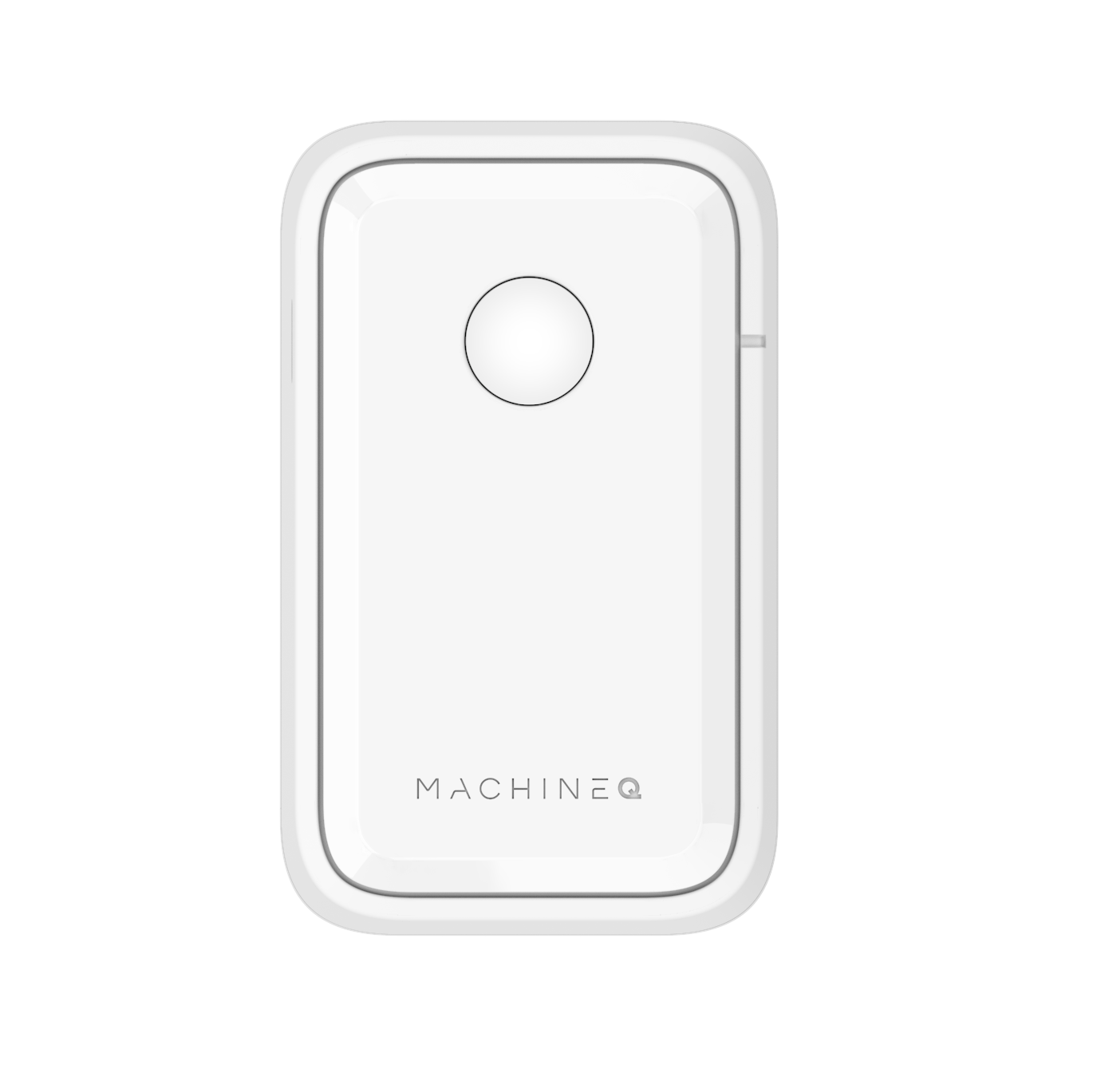
Enhance overall foodservice operations with an IoT-enabled, remote temperature monitoring solution. Seamlessly monitor and log temperatures to ensure product safety, maintain quality, support compliance, and cut down on inefficiencies and product loss.
.png)
Automate temperature monitoring to elevate overall foodservice operations—streamlining compliance, reducing overhead costs, and driving ROI.
Lorem ipsum dolor sit amet, consectetur adipiscing elit, sed do eiusmod tempor incididunt ut labore et dolore magna aliqua. Ut enim ad minim veniam, quis nostrud exercitation ullamco laboris nisi ut aliquip ex ea commodo consequat. Duis aute irure dolor in reprehenderit in voluptate velit esse cillum dolore eu fugiat nulla pariatur.
Block quote
Ordered list
Unordered list
Bold text
Emphasis
Superscript
Subscript

IoT-powered remote temperature monitoring solutions can help keep perishables and costly food inventory at safe temperatures. Automating temperature recording enhances compliance and maintains food safety and quality assurance.
Lorem ipsum dolor sit amet, consectetur adipiscing elit, sed do eiusmod tempor incididunt ut labore et dolore magna aliqua. Ut enim ad minim veniam, quis nostrud exercitation ullamco laboris nisi ut aliquip ex ea commodo consequat. Duis aute irure dolor in reprehenderit in voluptate velit esse cillum dolore eu fugiat nulla pariatur.
Block quote
Ordered list
Unordered list
Bold text
Emphasis
Superscript
Subscript

Automating the temperature-tracking process reduces manual tasks, freeing up staff for customer-facing responsibilities. This time-saving automation provides consistent, remote equipment monitoring during service, streamlining food safety and quality.
Lorem ipsum dolor sit amet, consectetur adipiscing elit, sed do eiusmod tempor incididunt ut labore et dolore magna aliqua. Ut enim ad minim veniam, quis nostrud exercitation ullamco laboris nisi ut aliquip ex ea commodo consequat. Duis aute irure dolor in reprehenderit in voluptate velit esse cillum dolore eu fugiat nulla pariatur.
Block quote
Ordered list
Unordered list
Bold text
Emphasis
Superscript
Subscript

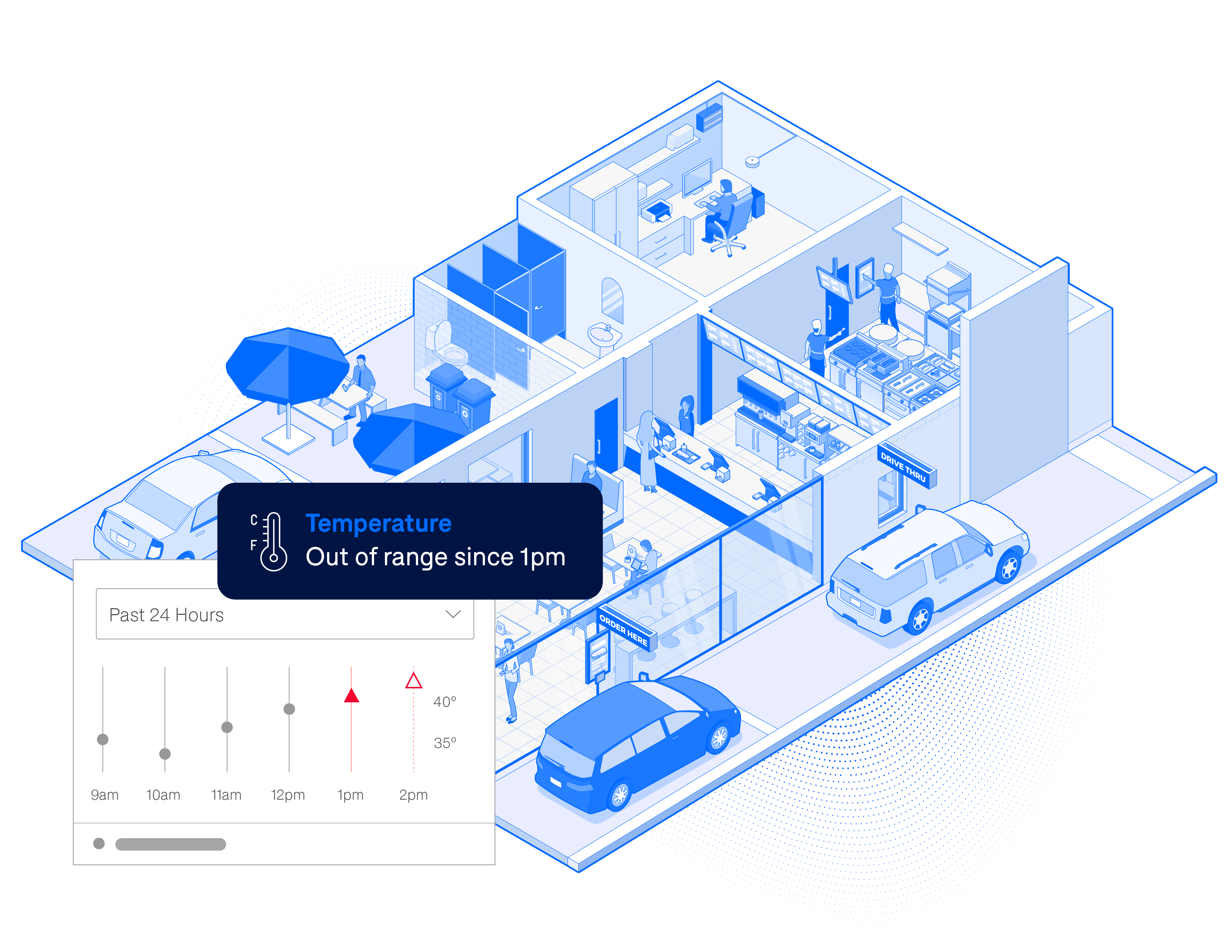
IoT-enabled remote temperature monitoring automates the food storage process, monitoring temperatures in industrial cooling systems around the clock. Real-time alerts warn businesses of potential temperature fluctuations in cold holding equipment, helping them prevent product loss and reduce costly food waste.


Learn how Starbucks is saving 85.5 million minutes annually and streamlining food safety and compliance reporting by deploying a MachineQ-powered temperature monitoring solution at over 10,000 stores.

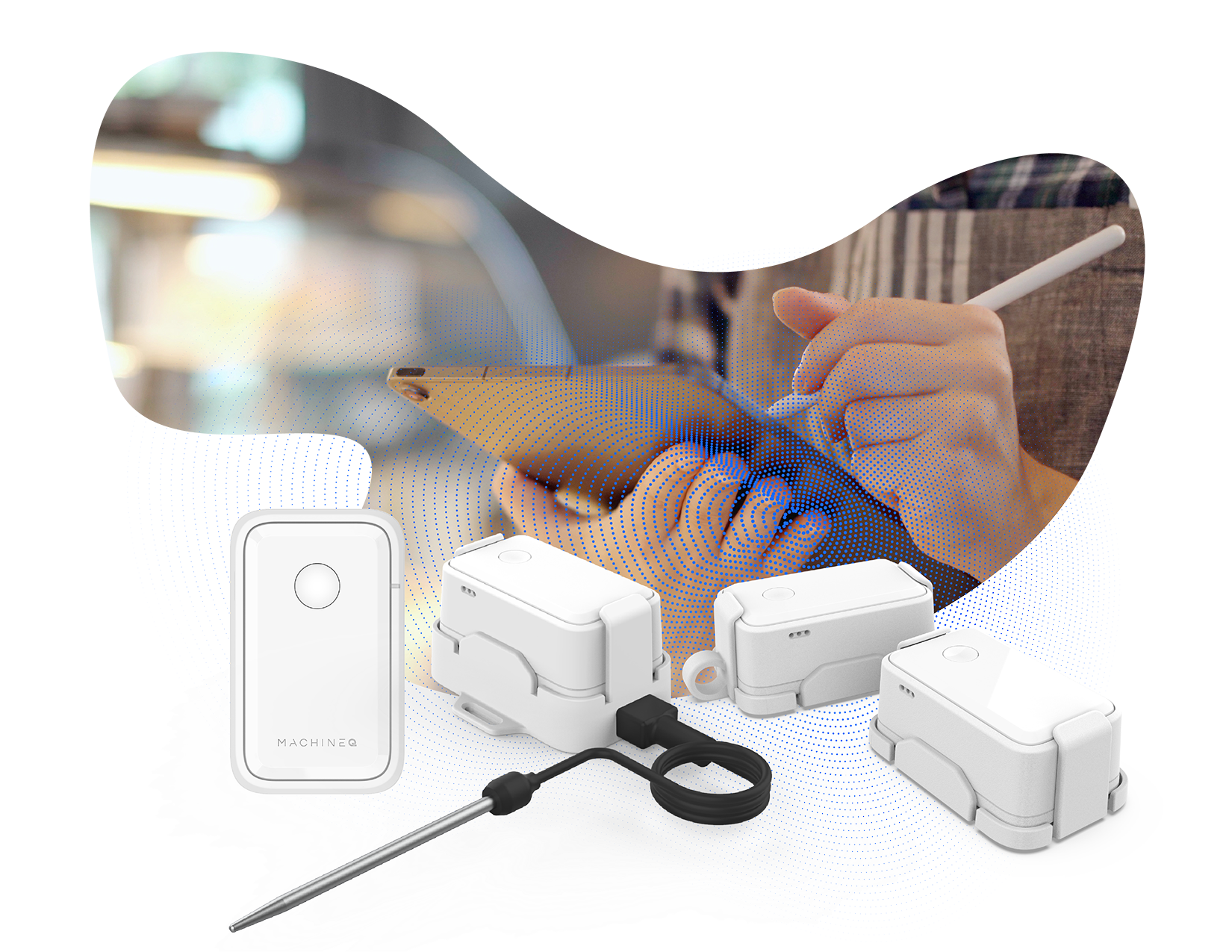
Connect IoT devices such as the MQflex multi-sensor and the MQio 9w remote data-collection device to foodservice equipment.

Data is captured and transmitted to the cloud on a secure, independent network.

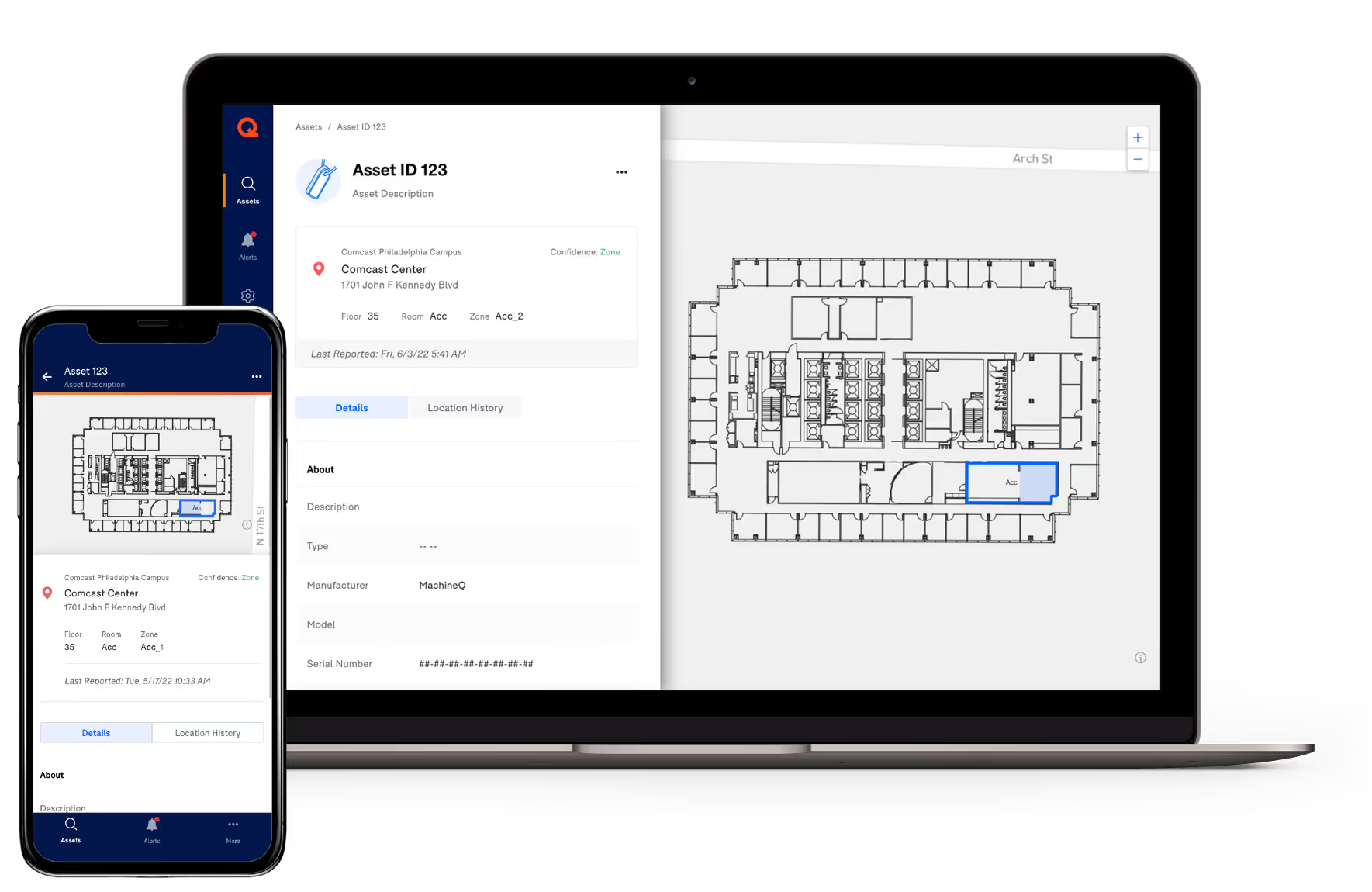
Real-time data, alerts, and predictive analytics are accessible through a centralized dashboard.
Ambient is the air temperature inside a cooler, freezer, or prep area. It fluctuates rapidly. Product temperature is the internal temperature of the food. It moves slowly and holds steady.
Use sudden spikes in ambient temperature as an early warning/diagnostic signal as it could indicate, for example, a failing compressor or blocked airflow. Utilize product temperature for food safety compliance and quality since it reflects the actual condition of food. When combined, the data provides a comprehensive view of your operations and allows you to focus on temperature fluctuations that require action.
No. Ambient (air) temperature changes quickly due to common causes, such as door openings and compressor cycles. Meanwhile, product (food) temperature changes slowly due to mass. For example, a short-term variance where ambient temperature is at 45°F and product temperature at 39°F right after a delivery is normal.
Some variance is expected and considered normal to help reduce false alarms, avoid waste, and keep your employees aligned on food safety protocols.
Install the sensor in the warmest area of the cooler and secure it properly to prevent it from being dislodged or bumped, ensuring data accuracy and reliability.